3D Layered Dahlia Flowers: A Symbol of Growth and Transformation
In the world of floral symbolism, the dahlia holds a special place. Known for its vibrant colors and intricate petals, the dahlia is often associated with positive life changes and new beginnings. When combined with 3D layered design techniques, these flowers take on an even deeper meaning, representing not just beauty but also the layers of growth that come with personal evolution. Whether used as a decorative element or a meaningful gift, 3D Layered Dahlia Flowers offer a unique way to celebrate transformation.
The concept of 3D layered dahlia flowers is rooted in both artistry and symbolism. Each layer of the flower represents a different stage of growth, from the initial spark of change to the full bloom of success. This visual metaphor makes them an ideal choice for those navigating significant life transitions, such as starting a new career, moving to a new city, or embarking on a personal development journey. The layered structure also allows for creative expression, making it possible to customize the design to reflect individual experiences.
Applications of 3D Layered Dahlia Flowers
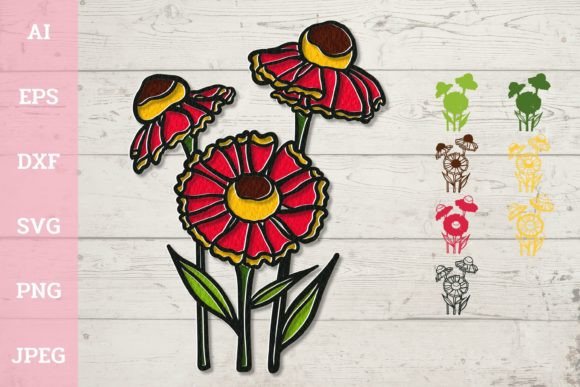
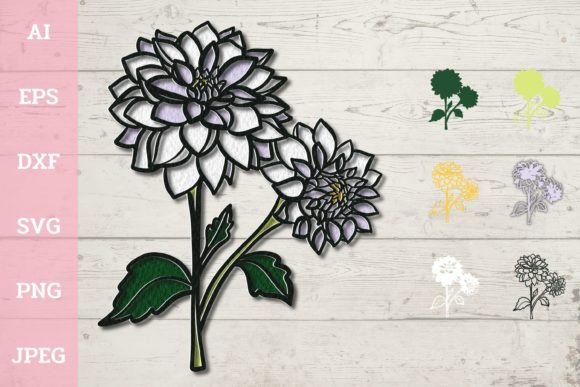
The versatility of 3D Layered Dahlia Flowers extends beyond their symbolic value. These designs are widely used in various creative fields, including graphic design, digital art, and craft projects. With high-quality digital files available in multiple formats—such as AI, SVG, DXF, JPEG, and PNG—these flowers can be adapted for a range of applications. For instance, artists can use the designs in illustrations, while makers can incorporate them into laser-cut projects or printable clipart.
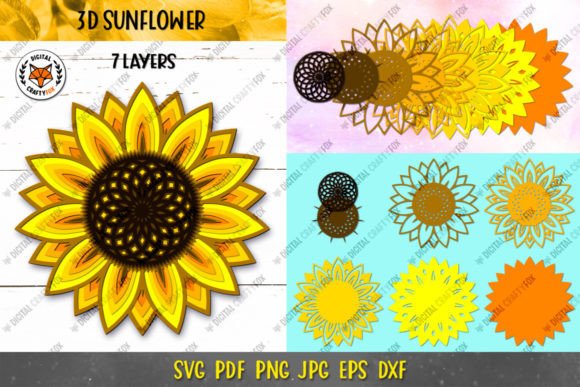
One of the most popular uses of 3D Layered Dahlia Flowers is in digital crafting. Designers working with tools like Cricut Design Space, Silhouette Designer Edition, or Glowforge can easily import the files and create custom pieces. The layered nature of the design allows for depth and dimension, making the final product more visually engaging. This is especially useful for projects that require precision, such as laser cutting or engraving.
Additionally, the availability of color options adds another layer of customization. Users can choose different paper colors when cutting, allowing for a personalized touch. This flexibility makes the designs suitable for a wide range of purposes, from wedding invitations to home decor. The ability to print the flowers in various formats also means they can be used in both digital and physical spaces, offering a seamless blend of creativity and functionality.
Benefits of Using 3D Layered Dahlia Flowers
There are several advantages to incorporating 3D Layered Dahlia Flowers into creative projects. One of the main benefits is their high-quality resolution. With a standard size of 8.5 x 8.5 inches and a resolution of 300 dpi, these files ensure that the details remain sharp and clear, regardless of the scale at which they are used. This level of detail is essential for projects that require precision, such as laser cutting or professional printing.
Another key benefit is the variety of file formats included in the download. From vector-based files like AI and SVG to raster formats like JPEG and PNG, users have the flexibility to choose the format that best suits their needs. This adaptability makes the designs accessible to a broad audience, including designers, hobbyists, and business owners who may work with different software and tools.
The layered approach also enhances the visual appeal of the flowers. By adding depth and texture, the designs create a more dynamic and engaging look. This is particularly beneficial for projects that aim to convey emotion or storytelling, as the layers can represent different aspects of a person’s journey. Whether used as a standalone piece or part of a larger composition, 3D Layered Dahlia Flowers add a sense of movement and complexity.
Considerations When Working With 3D Layered Dahlia Flowers
While 3D Layered Dahlia Flowers offer many benefits, there are some considerations to keep in mind when using them. First, it’s important to understand the technical requirements of the file formats. For example, vector files like AI and SVG are ideal for scalable projects, while raster files like JPEG and PNG are better suited for fixed-size applications. Choosing the right format ensures that the design maintains its quality across different platforms and mediums.
Another consideration is the intended use of the design. If the goal is to create a physical product, such as a printed card or a laser-cut ornament, the material and printing method will play a role in the final outcome. Different papers and substrates can affect how the design appears, so experimenting with various options can help achieve the desired result. Additionally, the background depicted in the listing is not included, so users should plan accordingly when selecting a backdrop for their project.
Finally, it’s worth noting that while the designs are digital, they are not a substitute for original artwork. Users should respect the intellectual property of the creators and ensure that they are using the files in accordance with any licensing agreements. This helps maintain the integrity of the design and supports the continued creation of high-quality digital assets.
Real-World Examples and Observations
Many individuals and businesses have found creative ways to use 3D Layered Dahlia Flowers in their work. For example, a florist might incorporate the designs into custom wedding invitations, using the layered structure to symbolize the couple’s shared journey. Similarly, a designer could use the flowers as a motif in a branding campaign, leveraging their symbolic meaning to connect with a target audience.
Artists have also explored the potential of these designs in mixed-media projects. By combining the 3D layered dahlia with other elements, such as watercolor or collage, they can create unique compositions that tell a story. This approach highlights the versatility of the design and demonstrates how it can be adapted to suit different artistic styles and themes.
From a practical standpoint, the ease of access to the files makes them a valuable resource for educators and students. Teachers can use the designs in lessons on symbolism, art history, or digital design, while students can experiment with the files to develop their own creative projects. This hands-on approach fosters a deeper understanding of both the aesthetic and conceptual aspects of the flowers.